
Helping Your Dog Overcome Separation Anxiety (The Right Way)
Updated: May 4
Separation Anxiety: Understanding and Overcoming It with Wanderdog
Separation anxiety isn’t just “a bit of barking when you leave.” It’s panic.
And if you’ve ever watched your dog spiral the moment the door closes — pacing, panting, vocalising, or trying to escape — you’ll know just how real that panic is.
At Wanderdog, we approach separation anxiety differently. Not with quick fixes, not with “just let them get used to it,” but with a structured, science-based plan rooted in emotional safety.
Because your dog isn’t being difficult. They’re struggling.

What Separation Anxiety Actually Is
Separation anxiety is a panic disorder.
Dogs experiencing it aren’t choosing to misbehave — they’re reacting to the genuine distress of being left alone. This distinction matters.
It means:
We don’t ignore it.
We don’t punish it.
And we don’t push dogs through it.
Instead, we work under threshold — a key principle in both Malena DeMartini’s methodology and Julie Naismith’s training approach, two leading experts in the field of separation anxiety.
Recognising the Signs (It’s Not Always Obvious)
Some dogs show clear distress, while others are more subtle.
Common signs include:
Barking, whining, or howling when alone.
Destructive behaviour (especially around exits).
Pacing or inability to settle.
Panting, drooling, trembling.
“Velcro dog” behaviour when you’re home.
Refusing food when left.
A quick note: pre-departure anxiety (stress before you even leave) is often the biggest clue — and often missed!
Why “Just Leave Them Longer” Doesn’t Work
This is where many well-meaning owners get stuck.
Leaving your dog to “get used to it” can actually make things worse.
Why? Because repeated exposure to panic doesn’t build confidence — it reinforces fear.
Imagine being terrified of flying and being forced onto longer and longer flights. You wouldn’t “get over it” — you’d dread it more. Dogs are no different.

The Wanderdog Approach: Build Safety First
Our approach is simple in principle, but powerful in results:
👉 Your dog should never be left in a state of panic during training.
This means we temporarily prevent full absences while we teach your dog that being alone is safe.
Yes — this is the part many people underestimate. And yes — it’s often the turning point.
Step 1: Management (Stopping the Panic Cycle)
Before training even begins, we reduce or eliminate time your dog is left alone beyond what they can cope with.
This might involve:
Adjusting your schedule.
Asking for help from friends or family.
Using daycare or a sitter.
This isn’t forever — it’s strategic.
Without this step, progress is often slow or non-existent.
Step 2: Gradual Desensitisation (Done Properly)
This is the core of separation training.
We teach your dog that your absence is safe by building it up in tiny, manageable increments.
That might look like:
Picking up your keys → sitting back down.
Opening the door → closing it immediately.
Stepping out for seconds, not minutes.
And here’s the key:
👉 We only increase duration when your dog is calm and relaxed.
Not “tolerating it.” Not “coping.” Actually relaxed.
Step 3: Reading Your Dog (The Skill That Changes Everything)
Progress depends on your ability to read subtle stress signals:
Ear position changes.
Freezing or stillness.
Increased alertness.
Micro-pacing.
This is why cookie-cutter plans don’t work.
Your dog sets the pace — not the clock.
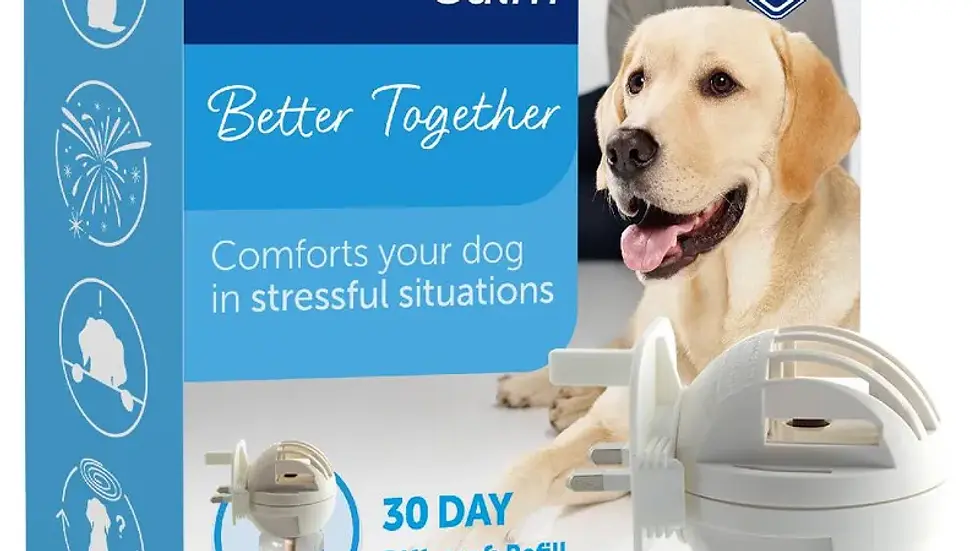
What About Safe Spaces, Toys & Calming Products?
Let’s be honest — these can help, but they’re not the solution.
A cosy bed won’t fix panic.
A toy won’t override fear.
A calming spray won’t teach independence.
However, they can support your training plan:
Enrichment can help dogs settle when they feel safe.
White noise can reduce environmental triggers.
Comfortable spaces can encourage relaxation.
Think of these as supporting tools, not fixes.
When to Get Professional Help
Separation anxiety can be complex — and in more severe cases, progress is difficult without guidance.
A structured plan, coaching, and ongoing support can make a huge difference.
If you’re struggling, you don’t have to figure it out alone - work with a CSAT (certified separation trainer) or Separation Pro for effective guidance.
👉 You can learn more about how we support separation cases here: Wanderdog Separation Work
Common Mistakes We See (And Help You Avoid)
Leaving dogs to “cry it out.”
Moving too quickly through training.
Relying on distractions instead of addressing the emotion.
Inconsistency between family members.
Expecting linear progress (it rarely is!).
Where Does Medication Fit In?
In some separation anxiety cases, training alone isn’t enough — and that’s okay.
For dogs experiencing more severe panic, medication can play an important role in reducing overall anxiety levels so that learning can actually take place. Used appropriately (and always under the guidance of a qualified vet), medication doesn’t “sedate” your dog or replace training — it supports it.
Think of it as lowering the volume on your dog’s fear, so they’re able to stay under threshold and make progress with gradual desensitisation.
At Wanderdog, we’re always happy to work alongside your vet to ensure your dog gets the right level of support.
Final Thoughts: This Is a Process — Not a Quick Fix
Separation anxiety training isn’t about shortcuts.
It’s about:
Building trust.
Creating emotional safety.
Helping your dog truly feel okay being alone.
And when done properly, the results are lasting.
Your dog doesn’t just cope — they relax.
Ready to Start?
If your dog struggles when left alone, early support makes all the difference.
At Wanderdog, we specialise in kind, evidence-based separation training that works with your dog — not against them.
👉 Start your journey here: Wanderdog Separation Work

Understanding Your Dog's Emotions
It’s essential to grasp what your dog is feeling.
When they experience separation anxiety, it’s not just a phase. It’s a genuine emotional struggle.
Imagine how you would feel if you were left in a crowded room, surrounded by strangers, with no one you know in sight. That’s how your dog feels when you leave them alone.
Recognising this can help you approach their training with empathy and understanding.
Building a Stronger Bond
Training isn’t just about teaching your dog to cope with being alone.
It’s also about strengthening the bond between you and your furry friend.
As you work together through this process, you’ll learn to communicate better. Your dog will learn to trust you more.
This mutual understanding is the foundation of a happy, healthy relationship.
The Importance of Patience
Patience is key in any training process.
You may not see immediate results, and that’s perfectly okay.
Every dog is different. Some may take longer to adjust than others.
Celebrate the small victories along the way. Each step forward is progress, no matter how small.
Conclusion: A Journey Together
Training your dog to overcome separation anxiety is a journey.
It requires time, effort, and a lot of love.
But with the right approach, you can help your dog feel safe and secure when left alone.
At Wanderdog, we’re here to support you every step of the way.
Let’s work together to create a happier, more confident dog.


Comments